

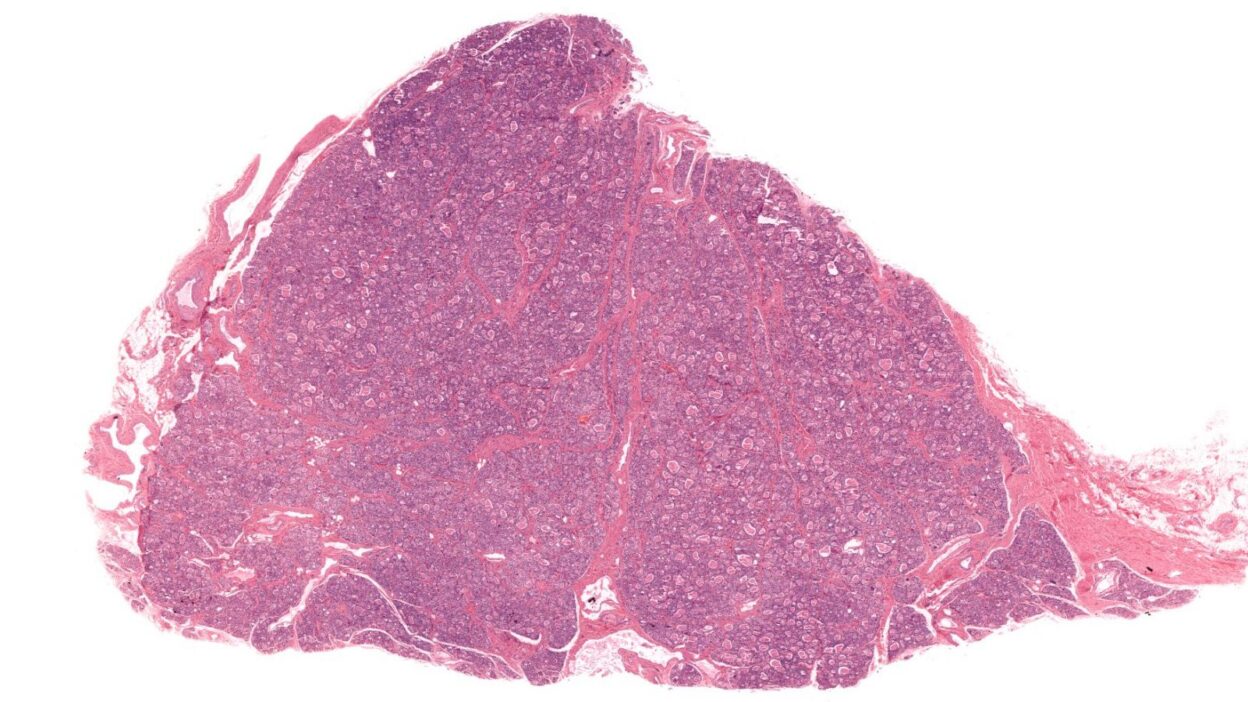
Digital pathology is changing diagnostic medicine by giving pathologists new ways to review, share, and interpret slides. Glass slides are converted into high-resolution digital images, so teams can work faster, consult colleagues more easily, and apply software-based analysis where it adds value.
What is digital pathology?
Digital pathology covers the capture, management, sharing, and interpretation of pathology information in a digital setting. Instead of examining every tissue section through a microscope, pathologists can review high-quality scanned slides on a computer screen. These images can be stored, annotated, retrieved, and shared quickly, which makes routine review and consultation easier.
Key benefits
1. Improved workflow efficiency
- Faster slide review: Digital slides can be reviewed from different locations and outside the physical slide archive.
- Easy retrieval: Teams do not need to search storage areas for glass slides before review.
- Simultaneous access: Several pathologists or subspecialty experts can view the same image at the same time.
2. Better collaboration
- Remote consultations: Experts can provide second opinions without shipping glass slides.
- Education and training: Digital archives help departments build teaching sets for medical students, residents, and fellows.
3. Better analysis
- Artificial intelligence (AI): Machine learning tools can support pattern detection, cell counting, tissue quantification, and selected diagnostic tasks.
- Quantitative reporting: Pathologists can measure selected features more precisely with image analysis software.
Applications
- Cancer diagnosis: Digital pathology is used for tumor grading, margin assessment, and case review.
- Research: Large slide datasets can support observational studies, biomarker work, and clinical trials.
- Quality assurance: Digital records make it easier to review cases, audit diagnoses, and discuss discrepancies.
Challenges
- Initial costs: Slide scanners, storage, networking, and validation require investment.
- Data security: Patient information must be protected with reliable access controls, encryption, and cybersecurity processes.
- Regulatory approval: Adoption depends on local rules, validation requirements, and laboratory standards.
The future of digital pathology
Scanning systems, storage platforms, and AI-assisted analysis are improving steadily. For many hospitals and laboratories, digital pathology will become part of routine diagnostic work. The main value is practical: faster access to slides, easier consultation, more consistent measurement, and better use of subspecialty expertise.
Conclusion
Digital pathology is not only a change in slide format. It changes how pathology departments store cases, share expertise, teach trainees, and use image analysis in diagnostic practice. As adoption grows, patients and clinicians should benefit from quicker review, stronger access to expert opinion, and more consistent diagnostic workflows.