Introduction
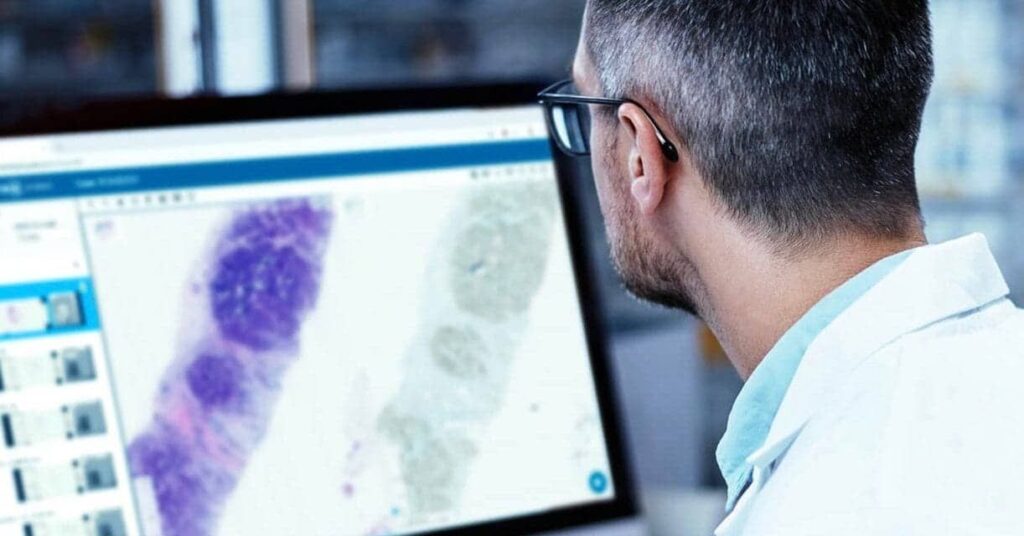
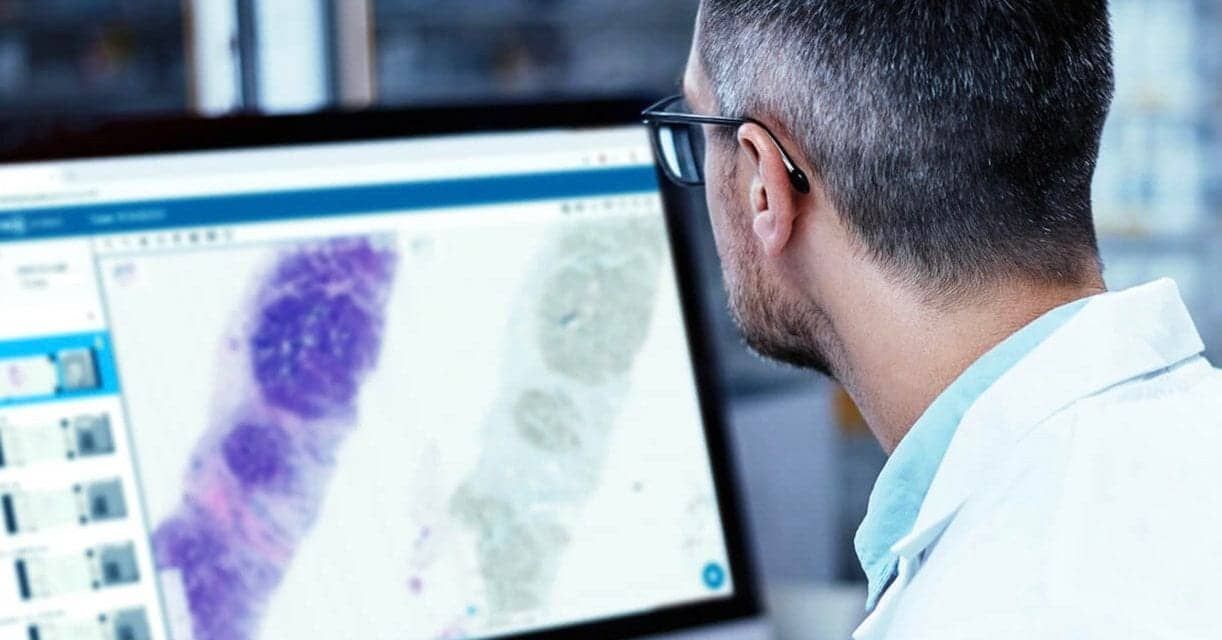
The global field of pathology is undergoing a rapid transformation towards digitization, with Whole Slide Imaging (WSI) technology becoming a cornerstone in diagnosis, archiving, education, and scientific research. However, this transition is not as straightforward as it might appear in conferences or marketing advertisements. While modern devices promise a fundamental change in daily practice, laboratories and hospitals – especially in low-income countries – face significant obstacles hindering this shift.
In this article, we review the most prominent challenges facing the widespread adoption of slide scanners, focusing on environments similar to our local reality.
—
1. High Cost
WSI devices represent a significant investment; their prices typically range between $80,000 – $300,000 depending on the company and model. These figures do not include maintenance costs, technical support contracts, spare parts, or software licenses.
In developing countries, the cost of a single device can equal the entire budget of a pathology department in a public hospital, making its acquisition a difficult option.
—
2. Monopoly and Lack of Competition
The market is dominated by a limited number of major companies such as Leica, Philips, 3DHistech, and Hamamatsu. The absence of genuine competition leads to high prices and keeps the technology out of reach for small laboratories or academic institutions.
—
3. Infrastructure Requirements
A single slide scan file at 40x magnification can reach 1–3 gigabytes. This massive size requires:
Powerful servers for storage and processing.
High-speed internet connection for data sharing, which is often not locally available.
Advanced backup solutions to protect data.
The absence of this infrastructure means that even if a device is available, its use will remain limited.
—
4. Maintenance and Technical Support
Technical malfunctions are complex and require experts from the manufacturers. Due to the lack of local service centers, support may take weeks or months to arrive. Furthermore, regular maintenance contracts add a continuous financial burden on hospitals.
—
5. Regulations and Accreditation
In many countries, devices are not permitted for diagnostic purposes unless they are FDA-approved or CE-marked. This restricts the entry of low-cost devices or open-source projects, keeping the market monopolized.
—
6. Resistance to Change
Some physicians still prefer using traditional microscopes, considering digital transformation complex or unnecessary. Furthermore, the fear of losing manual expertise or over-reliance on technology hinders the adoption of the technology.
—
Conclusion
Although digital pathology represents the future of medical diagnosis, the path forward is fraught with challenges. The biggest obstacles include:
High costs.
Lack of adequate infrastructure.
Market monopoly.
Limited maintenance and technical support.
However, there are promising solutions that could pave the way for wider adoption, such as:
Developing low-cost, open-source systems.
Adopting a “pay-per-use” model instead of outright purchase.
Building partnerships between universities and research centers to share costs.
—
Final Thoughts
Digital pathology is not merely a luxury but a necessary step to keep pace with developments in medical diagnosis and research. The challenges are real and significant, but discussing them and innovating local solutions will determine how quickly this technology reaches our laboratories.
Do you believe that the transition to digital pathology in our environment is only a matter of time, or will the current obstacles delay it for years?